A series of 12 Zoom workshops

Introducing the Jhanas
Jhanas are deeply restorative meditations that the Buddha recommended as Right Concentration. The qualities of Jhanas are what we all want in our daily lives: Delight, Joy, Ease, Wellbeing, Equanimity, Spaciousness, Centeredness.
The Buddha called the Jhanas the “wet path” and recommended them to most of his students. The Jhanas are especially relevant to lay practitioners in today’s busy world that is so conducive to burn out. Approaching meditation and practice with a dry, disciplinarian approach can set up obstacles that will have to be dismantled later. The wet path of Jhana-based clear seeing and presence, in contrast, is “excellent in the beginning, excellent in the middle and excellent in the end.”
This course is for you

- If you’ve heard of the Jhanas and would like to experience them.
- If you’ve experienced the Jhanas during retreat and would like to integrate them into your daily life.
- If you are new to meditation and would like to set up a meditation practice that is both immediately beneficial and can progress to include the whole spiritual path.
- If you would like to set up a daily meditation practice that is an inviting refuge instead of another thing you’d have to force into your day.
Resilience and presence

We will begin with the end in mind in orienting our Jhana practice towards both everyday and ultimate resilience and presence.
Everyday resilience is returning to feeling okay after feeling stuck in life’s ups and downs. Ultimate resilience is (returning to and) remaining in primordial purity (kadak). Everyday presence is the ability to be present with life’s ups and downs. Ultimate presence is spontaneous presence (lhündrub) that is effortless activity.
While the Jhanas fall into the category of meditations that cultivate serenity (shamatha) and undistracted attention (samadhi), this series will explore the insights that each Jhana offers as well, thus grounding Jhana practice in the progressive path to insight and clear seeing (vipashyana/vipassana).
A short Dzogchen Presence practice at the end of each workshop will introduce the immediately available, unfabricated, nonconceptual awareness that the stability from Jhanas can help sustain.
Jhana fragrances
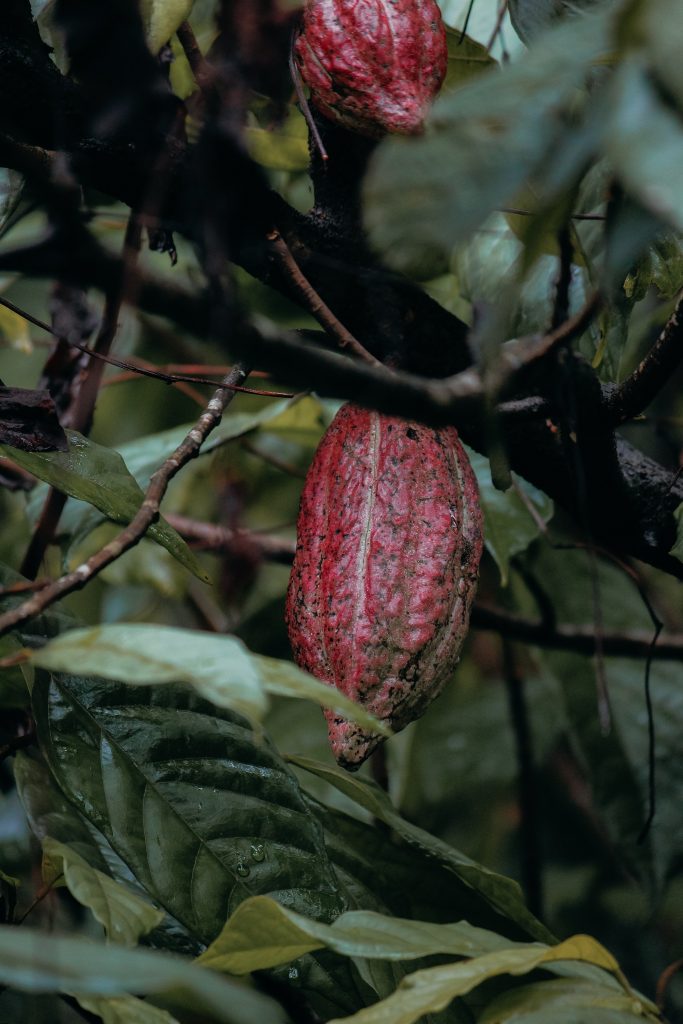
Guided meditations will introduce you to the fragrance and flavor of each jhana. Like bottled fragrance from an exotic tree, the fragrance itself is enjoyable and restorative. Experiencing these jhana fragrances will also allow you to recognize them when you come upon them in the wild on your meditative journeys, guiding you to the jhana tree and the fruits of jhana. Through this course, you will be able to use these jhana fragrances themselves towards everyday resilience and presence.
No prerequisites
Previous meditation experience is not required as the first sessions will introduce meditation techniques most conducive to the Jhanas. If you do not have a daily meditation practice, this series will provide you with community support to establish one.
Recommended (but not required) reading
- Who is My Self: A Guide to Buddhist Meditation, by Ayya Khema
- Mindfulness, Bliss and Beyond: A Meditator’s Handbook, by Ajahn Brahm
- As It Is: Vol 2, by Tulku Urgyen Rinpoche
- Jhana Consciousness: Buddhist Meditation in the Age of Neuroscience, by Paul Dennison
About Sentha
Sentha has 20+ years of experience in studying, practicing and teaching meditation in all three current streams of Buddhism: Chan (Japanese: Zen) Buddhism with Gilbert Gutierrez, Theravadin and Tibetan Buddhism with Marvin Treiger. She also has taught 5 year-long Zoom courses in Compassionate Communication and Presence, based on Non-Violent Communication. Her interest, understanding and study of trauma resilience (TRM Level 1 Training, Dec. 2015, at Trauma Resource Institute) also informs her approach to teaching.
Sentha’s teaching style invites and evokes direct experience of what is being taught, so that you can ehipassiko, come and see for yourself.
Schedule
- Wednesdays 6:30-8:00 pm PDT; October 11-November 15; January 17-February 21
- Optional Practice and Q&A: Alternate Saturdays 9:00-10:30 PDT. If the Wednesday timings do not work for you, you can watch the recordings and attend the Saturday sessions regularly.
- Optional Day-Long Retreat: Saturday, January 13
Winter break between Thanksgiving and New Year’s will allow time for stabilizing in the lower Jhanas before progressing into the higher Jhanas.
Each 1.5 hour workshop will include lecture, guided meditations and partner practice through conversations in breakout rooms.
Cost
Tiered pricing
- Basic: $240
- Sponsor: $360
- Supported: $120*
*If this is not comfortably affordable, e-mail Sentha. No one will be turned away based on cost.
Refund policy: Full refunds if discontinuing before the 4th workshop in the series.
Online community

You will also have access to workshop recordings (excluding partner practice) in a private online community. Weekly check-ins and discussions in the online community will provide continuity of practice. Interactions in the online community and in breakout sessions in Zoom workshops will foster a sense of sangha that is an important support for practice.